

By Okopi Ajonye
The UK’s Royal Navy operates two types of nuclear-powered submarine. One, currently the Vanguard-class, is armed with nuclear weapons – Trident II D5 missiles – and is referred to as a Ballistic Missile Submarine (SSBN). The other type is armed with conventional, non-nuclear weapons – such as Tomahawk Land Attack Missiles – and is referred to as an Attack Submarine (SSN). SSNs can execute a range of conventional military tasks, such as stalking and destroying enemy submarines, intelligence gathering, and underwater surveillance. However, they also perform roles to support and protect the SSBN fleet.
In a process called ‘delousing’, SSNs can help prevent SSBNs from being detected or tracked by foreign submarines. One perceived primary advantage of SSBNs, in comparison to other launch platforms for nuclear weapons, is their ability to remain deeply concealed at sea, thus making them relatively more difficult for an adversary to locate and track. The availability of SSNs is therefore seen as critical to additionally strengthening the survivability of the UK’s nuclear weapons system. In the UK, maritime aircraft and other naval assets like the Royal Navy’s Fleet Ready Escort Group can also support the UK’s SSBNs, and the SSNs themselves also provide support to other naval vessels like the Carrier Strike Group. However, SSNs stand apart for their enhanced stealth capabilities. Having no SSNs available at sea thus raises alarm in defence circles.
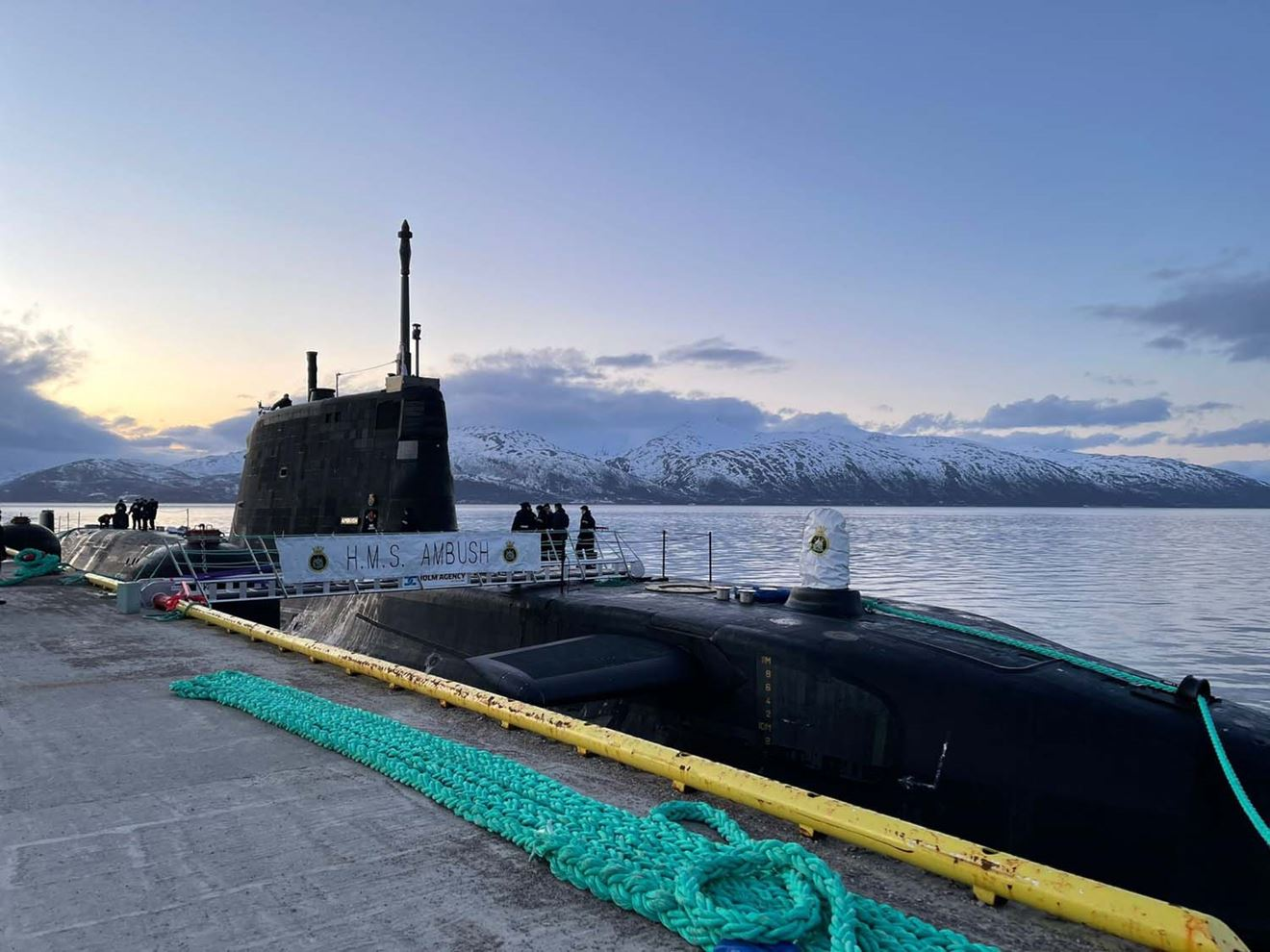
On the 27th of June, it was reported by various outlets that none of the UK’s SSNs, currently of the Astute-class, were at sea. This development was not unprecedented however as there have been similar instances in the past. For example, none of the Astute submarines were able to go to sea for a few months during 2024. Also, NIS previously reported an Astute-class SSN being deployed to Australia earlier this year. This foreshadowed the June crisis as this was the only operational SSN at the time. The low availability of SSNs reveals the contrasting issues troubling the UK’s wider nuclear submarine fleet. Whereas lone Vanguard-class SSBNs are patrolling the seas for increasingly long periods, the SSN fleet is struggling to provide any boats for deployment.
This three-part series will provide an analysis and overview of how the UK’s SSN availability crisis raises issues going well beyond the immediate ability of the Royal Navy to deploy its submarines. The challenges confronting the Astute fleet indicate much deeper shortcomings afflicting the UK’s submarine enterprise, encompassing construction capacity at Barrow, maintenance infrastructure at Faslane and Devonport, and the ability to sustain sufficient submarines for the UK’s increasingly demanding international commitments. Collectively, these issues call into question the resilience and reliability of the UK’s submarine building and maintenance infrastructure (issues affecting the UK’s submarine fleet are also closely connected with challenges to naval nuclear propulsion, but these fall outside the scope of this series). Furthermore, the pressure to resolve these issues will grow and become more consequential as the UK is simultaneously expanding its SSN fleet and constructing successors to its current class of SSBNs.
There have been six classes of SSN submarines in the UK. The very first SSN submarine was named Dreadnought (a name shared by the successor SSBN class currently under construction), which was followed by the various classes, in order: Valiant, Churchill, Swiftsure, Trafalgar, and the most recent Astute-class. The successor to the Astute-class and seventh class of SSNs will be of the AUKUS-class (SSN-A), developed as part of the trilateral AUKUS alliance, the defence and security partnership between the US, UK, and Australia. The 15th of September marked five years since the announcement of the AUKUS partnership. As this series will show, 2026 also marks what are supposed to be key milestones for the advancement of the Astute-SSN programme and AUKUS. This makes it even more vital to review the past and possible future trajectory of these two programmes, including their implications for the UK’s international partners, both within and beyond AUKUS.
The first part of this series outlines the challenges facing SSN construction at Barrow, followed by an assessment of the maintenance capacity and upgrades at Faslane and Devonport. It concludes by considering the implications of these challenges for some of the UK’s key international security commitments and partnerships.