

In March, Emmanuel Macron announced a slew of measures to reshape France’s nuclear posture. These include plans to increase the number of nuclear warheads, alongside a reversal of France’s longstanding practice of disclosing the size of its deployed nuclear stockpile. Relevant to the UK, Macron also announced a shift in the country’s extended deterrence posture. According to this, eight countries have agreed to partake in a strategy termed ‘advanced deterrence.’ These countries include Belgium, Denmark, Greece, Germany, the Netherlands, Poland, Sweden, and notably, the UK.
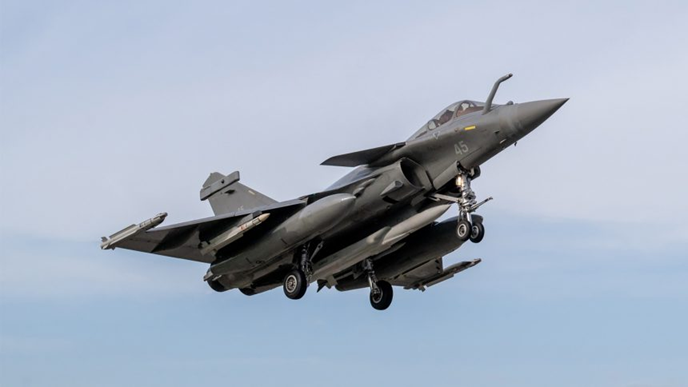
The precise contours of this ‘advanced deterrence’ framework are unspecified. However, Macron suggested that participation could involve taking part in exercises of France’s air-launched nuclear capabilities, as well as potentially hosting bases to station French nuclear bombers. Some of these countries already participate in extended deterrence frameworks within NATO. Five of the participating countries: Belgium, Germany, Greece, the Netherlands, and the UK contribute dual-capable aircraft to NATO’s nuclear mission (the UK is planning to do so), while four: Belgium, Germany, the Netherlands, and the UK, also host bases that store US nuclear weapons. NATO’s existing frameworks also include annual nuclear exercises, which have recently involved Sweden and Finland, although France has not participated. Therefore, this arrangement could provide an alternative, French-led forum for conducting similar joint nuclear exercises. However, the French arrangement does not appear to be based on NATO’s model and is not intended to subvert US nuclear protection.
The UK’s decision to join this arrangement follows the announcement of the Northwood Declaration last year, in which the UK and France agreed to deepen defence and nuclear cooperation. It also comes after an earlier announcement by the Swedish Prime Minister to commence discussions on nuclear cooperation with France and the UK. Although, the Swedish government’s position has been contested domestically by the leader of Sweden’s largest opposition party ahead of upcoming national elections this year. The trajectory of domestic politics in France could also complicate this decision, as the country’s prominent far-right opposition has publicly assailed these plans.